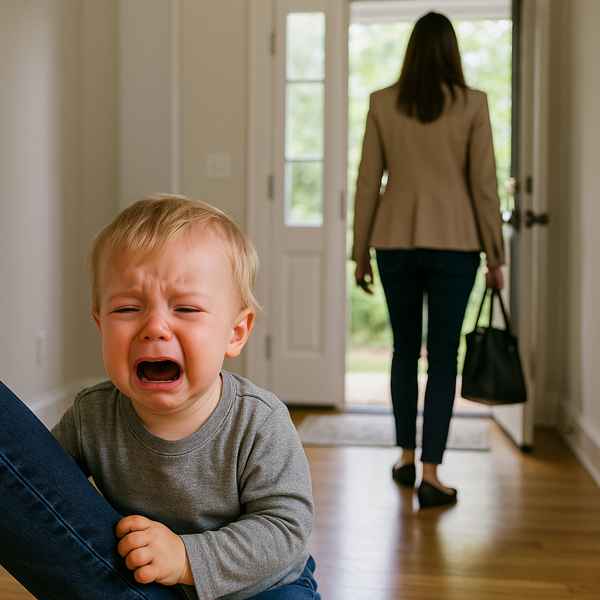
It is most often associated with toddlers, but adults can experience it too.
With the right strategies, separation anxiety can be handled with care and patience.
The Basics of Separation Anxiety
Separation anxiety is a condition where a person feels distress when separated from a loved one.
It can manifest in several forms, including:
- Emotional breakdowns when apart
- Clinging behavior
- Physical symptoms like headaches or nausea
What Triggers Separation Anxiety
There are many reasons someone may develop separation anxiety.
Possible triggers are:
- Starting school or daycare
- Past trauma or loss
- Lack of independence training
- Anxiety in the family
How to Recognize It Early
Early detection of separation anxiety can help in creating a supportive environment.
Early check here warning signs may include:
- Difficulty being alone even for short periods
- Fear of losing a parent
- Clinging during bedtime or departures
Managing Separation Anxiety in Children
Supporting children through separation anxiety requires consistent parenting and empathy.
Techniques for easing child anxiety:
- Create a goodbye ritual
- Start with short separations
- Let them play solo at home
- Build trust through transparency
Tips for Adults Facing It
Adults can also face separation anxiety, especially in relationships, travel, or after loss.
Helpful actions to take:
- Exploring CBT or talk therapy
- Practicing grounding exercises
- Staying socially connected
- Identifying negative thought patterns
When to Seek Professional Help
Professional guidance can offer effective solutions.
Red flags to consider:
- Constant worry about loved ones
- Frequent illness from stress
- Refusing to engage in normal life
Support and Hope
With understanding, patience, and the right support, people of all ages can learn to overcome it.
Whether it’s a child learning to go to school or an adult adjusting to change, the journey takes tools and encouragement.